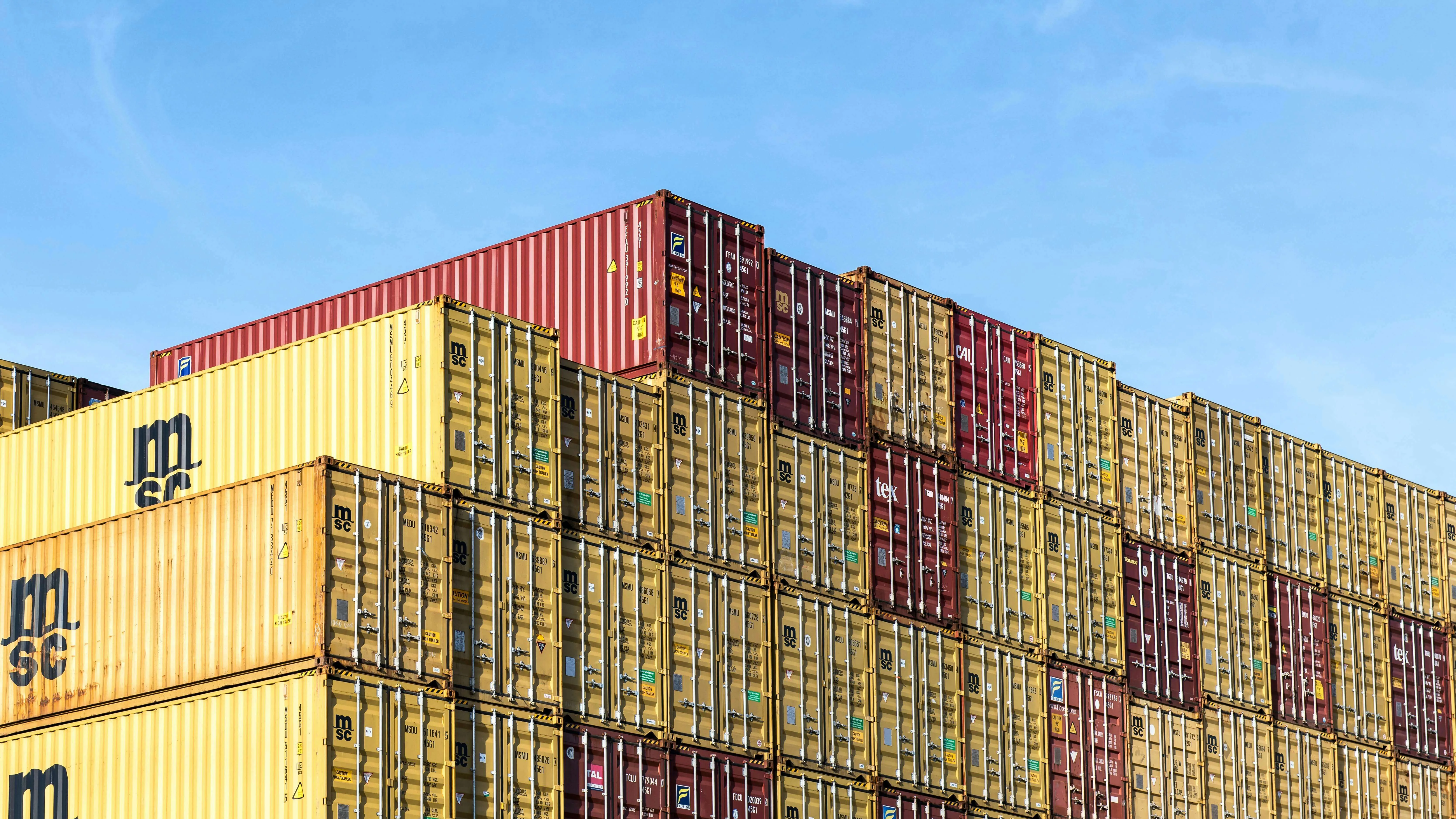
The process of exporting gold from Africa to Europe is more regulated than most buyers expect, and less complicated than most brokers would suggest. What creates genuine difficulty is not the paperwork itself — it is finding a seller who actually has the standing to complete it.
Most operators in the African gold market are agents or intermediaries. The documents that matter at European customs must be issued through a properly licensed exporter operating within the relevant government framework. Depending on the structure of the transaction, this may be a licensed miner, dealer, or authorised exporter.
This guide covers how to export gold from Africa to Europe legally and safely: what documentation the African side requires, how European import regulations apply, and what to verify before agreeing to anything with a supplier.
Understanding the Legal Framework for African Gold Export
Gold export from African countries is governed by national licensing frameworks, not a single continental authority. What this means in practice is that the rules vary by country, but the underlying structure is consistent across the major producing nations: a legitimate exporter must hold government-issued permission to trade gold, and a separate permit specifically authorising its export. Without both, a shipment is illegal regardless of what the seller tells you.
In Kenya, the relevant licences are issued by two separate government departments. The Mineral Trading Licence comes from the State Department of Mining and authorises the legal buying and selling of gold within Kenya. The Mineral Export Permit comes from the Kenyan Ministry of Mining and is the specific authorisation that makes international export legal. A third credential, the NEMA Environmental Certificate from the National Environment Management Authority, confirms that the producer’s mining operations comply with Kenyan environmental law. All three are individually verifiable through Kenyan government channels.
If the seller cannot demonstrate the relevant licences and permits applicable to their role in the transaction, the shipment is unlikely to meet legal export requirements. That is not a technicality — it is the basic condition for a legal transaction, and it eliminates a large proportion of the sellers you will encounter in the African gold market, because most of them are agents who do not hold these credentials themselves.
Gold shipments are typically accompanied by an assay certificate issued by an independent laboratory, confirming purity and composition. This forms a standard part of export documentation and is required for commercial transactions and customs processing.
Required Documents for Exporting Gold from Africa
A licensed African gold exporter will prepare and provide a specific set of documents for every shipment. Knowing what that set should contain allows a buyer to assess whether a seller is genuine before any funds change hands.
-
✓Mineral Trading LicenceGovernment-issued by the State Department of Mining. Establishes that the seller has legal authority to buy and sell gold in the country of origin. Verifiable directly through the issuing authority.
-
✓Mineral Export PermitIssued by the Ministry of Mining. The specific authorisation that makes international shipment legal. A seller without this cannot complete a legal export, regardless of what they tell you.
-
✓Certificate of OriginRequired for customs classification and plays an important role under EU conflict minerals regulations. Forms part of the buyer’s supply chain due diligence obligation where applicable.
-
✓Assay Certificate / Certificate of AnalysisIssued by an independent, accredited laboratory. Confirms the gold’s purity grade and composition. Must be commissioned independently — not produced by the seller themselves.
-
✓Commercial Invoice & Packing ListDetails the weight, declared value, and physical description of the shipment. Required for customs processing at both the export and import stages.
-
✓Export Customs DeclarationFiled with the relevant customs authority in the country of origin. Confirms that the shipment has been formally declared and cleared before departure.
Bushiangala Gold Extractives prepares the full documentation set as standard for every export. Buyers receive copies of all documents before any shipment leaves Kenya. A seller who hesitates to provide any of these documents in advance of payment is worth walking away from.
We provide the complete export documentation set with every purchase — Mineral Export Permit, Certificate of Origin, independent assay certificate, and export customs declaration. Deliveries completed to buyers in Europe, the UAE, USA, and over 70 countries.
Request a quoteWhat European Import Regulations Require
The European import side carries its own regulatory requirements, and buyers should understand them before a shipment arrives rather than after it enters the customs system.
EU customs require an import declaration and applicable duties. The classification depends on how the gold is categorised under the EU Harmonised System. Investment-grade gold meeting EU criteria — typically 99.5% purity or higher — is generally VAT-exempt, although the exact treatment depends on the form of the gold and the specific rules in each jurisdiction. The exact position on duty and VAT varies by jurisdiction, and buyers purchasing in volume should confirm their specific treatment with a customs agent or tax adviser in their country before the shipment is booked.
The EU Conflict Minerals Regulation, which came into full effect in 2021, requires importers of gold above specified thresholds to conduct supply chain due diligence, with particular focus on conflict-affected and high-risk areas. For buyers importing from a licensed, government-regulated producer, the Certificate of Origin, Mineral Export Permit, and the mining operation’s compliance credentials provide the basis for satisfying this requirement. A Kenyan producer operating under NEMA certification and government mining licences is well-placed to support a buyer’s compliance obligations under this regulation.
Anti-Money Laundering regulations in most European jurisdictions require that significant gold purchases be subject to Know Your Customer checks and, in some cases, transaction reporting. Buyers should be prepared to provide identification and evidence of the source of funds. This is standard practice for any compliant transaction and should not come as a surprise at a late stage.
None of this is prohibitive for a buyer working with a fully licensed African producer. What it does confirm is that the documentation issued at the export stage is not administrative overhead — it is the foundation on which a legal import into Europe is built.
How to Export Gold from Africa to Europe with the Right Partner
The difference between a clean transaction and a failed one almost always comes down to who the seller is, not what the regulations say. Understanding how to export gold from Africa to Europe is, at its core, a sourcing question before it is a logistics question.
A properly licensed mining operator can produce the Mineral Trading Licence, the Mineral Export Permit, and the NEMA Environmental Certificate because it holds them directly. It can provide an independent assay certificate for each shipment because it controls the refinement process and commissions the assay independently. It has established relationships with licensed freight forwarders who are familiar with customs requirements at European destination ports. And it has experience completing this process repeatedly: Bushiangala Gold Extractives has delivered gold to buyers in 75 countries over 25 years of operation.
An agent or intermediary typically relies on third-party licence holders and may not directly control the documentation or production process. They can describe a process, but they cannot produce the standing credentials, because they do not hold them. They cannot guarantee the documentation set, because they do not control the production or the assay. Many will promise delivery and ask for payment upfront. That is the structure of most gold fraud in the African market, and it is what the licensing framework is designed to prevent.
For any European buyer looking to source physical gold from Africa, the process starts well before any logistics conversation. Understanding where to buy gold in Kenya safely is the foundation. Get the supplier right, confirm the documentation, and the export process follows from there.
Before you commit to any export arrangement: Verify the Mineral Export Permit number directly with the Kenyan Ministry of Mining. Confirm business registration through the Business Registration Service. Ask which accredited laboratory issues the assay certificate. Get the full logistics arrangement in writing before any funds move.
Verifying a Gold Exporter Before You Commit
Before agreeing to any export arrangement, there are specific checks that serious buyers run. They are not time-consuming. They are consistently skipped.
Request the seller’s Mineral Export Permit and confirm the permit number directly with the issuing authority. In Kenya, the relevant authority is the Ministry of Mining. A phone call or email quoting the permit number will confirm whether it is valid and current. This step takes an afternoon and should not be skipped for any reason.
Request the seller’s Certificate of Registration as a legal entity in the country of origin. In Kenya, company registration details are managed through the Business Registration Service and are verifiable. An unregistered seller has no legal standing to enter into commercial contracts, which means any agreement with them carries no enforceable basis.
Ask how the assay certificate is produced and by which laboratory. A licensed mining company that refines its own gold uses an independent, accredited assay laboratory and can name it. An intermediary often cannot answer this question, because they do not control the refining or the assay process.
Confirm the full logistics arrangement in writing before any funds are transferred. Who is the freight forwarder? What is the insurance arrangement? Which customs broker will clear the shipment at the European end? What is the timeline from payment to delivery? A licensed exporter with a track record of international delivery will answer all of these questions clearly. Vague answers at this stage are not a minor concern. They are a signal about the seller’s actual capability.
Bushiangala Gold Extractives has 25 years of verified international deliveries. Our team will walk you through every step — from documentation to freight to customs clearance at your end. Speak with us directly before you commit to any arrangement.
WhatsApp our teamFrequently Asked Questions About Exporting Gold from Africa to Europe
Can You Import Gold from Africa?
Yes, importing gold from Africa into Europe and other international destinations is legal when the export is conducted by a licensed producer holding a valid Mineral Export Permit, and when the shipment is accompanied by the required documentation: a Certificate of Origin, an independent assay certificate, and an export customs declaration. The import side requires compliance with customs declarations, applicable duties, and due diligence obligations in the destination country. Working with a fully licensed producer who prepares the complete documentation set is the most reliable way to ensure a clean import.
Who Is Africa’s Largest Exporter of Gold?
Ghana is Africa’s largest gold exporter by volume, producing over 4 million troy ounces annually and ranking among the top ten gold producers globally. South Africa, Mali, and Tanzania are also significant producers and exporters. Kenya is a smaller producer by official figures, with approximately 410 kilograms of formally recorded production in 2023, though actual output including artisanal mining is estimated considerably higher. What matters for international buyers is not which country produces the most, but whether the specific producer they are dealing with holds the necessary licences and documentation for legal export.
Is It Legal to Export Gold from Uganda?
Exporting gold from Uganda is legal for licensed operators holding the relevant government permissions. Uganda has seen significant growth in gold production and operates a gold refinery through Uganda Vaults. However, Uganda has also been associated with documented cases of gold smuggling and transshipment of gold from conflict-affected neighbouring countries, including the Democratic Republic of Congo. Buyers sourcing gold that originates from Uganda should conduct thorough due diligence, including verification of the seller’s licences, the gold’s Certificate of Origin, and compliance with EU conflict minerals regulations before committing to a purchase.
Can a Foreigner Buy Gold from Ghana?
Yes, foreigners can legally purchase gold from Ghana through licensed gold dealers and mining companies. Ghana’s Precious Minerals Marketing Company (PMMC) is the government body that regulates and facilitates gold trading in the country. Foreign buyers should work with government-authorised entities or licensed dealers under Ghana’s current regulatory framework, which has been updated in recent years to centralise gold trading and export processes. Ensuring that any purchase is accompanied by a Certificate of Origin and the relevant export documentation is essential. Ghana is Africa’s largest gold exporter and has an established regulatory framework for international gold transactions, which makes the due diligence process more straightforward than in some other producing countries.
The Bottom Line
Exporting gold from Africa to Europe is a regulated, well-documented process that works cleanly when the seller is licensed, the documentation is complete, and the buyer understands what they are looking at. The complexity most buyers encounter comes from the seller side, not the regulatory framework.
The practical starting point for any serious buyer is not a logistics question — it is a sourcing question. A licensed mining company holding a Mineral Trading Licence, a Mineral Export Permit, and a documented, independently certified assay process removes the main point of risk from the transaction before anything is agreed. Everything else follows from that.
Bushiangala Gold Extractives mines and exports its own gold from Kenya. With 25 years of operation and deliveries completed to buyers in 75 countries, the export documentation and logistics process is well-established. If you are ready to discuss a purchase and want to understand how the process works from Kenya to your door, visit the site to buy gold from Africa directly, or reach the team via WhatsApp for a direct conversation about your requirements.