Understanding Kenya’s Gold Market
Kenya is not the continent’s largest gold producer, but it has an active and regulated mining sector. Official figures from Kenya’s mining registry show the country produced approximately 410 kilograms of gold in 2023, down from 564 kilograms the previous year. When artisanal and small-scale mining is included, which operates largely outside the formal reporting structure, estimates for actual annual output rise to around 6.9 tonnes.
That gap between official and actual production matters for buyers. It means a significant portion of the gold traded under the label ‘Kenyan gold’ has never passed through formal verification, documentation, or government oversight. For the international investor, that is the central risk: not that the gold does not exist, but that it may not have the paperwork to prove what it is.
The licensed mining companies — those registered with Kenya’s State Department of Mining, operating with valid export permits and environmental clearances — represent a different category entirely. Their gold is documented from extraction through to delivery. They are a small group, and they are not difficult to identify if you know what credentials to ask for.
Knowing where to buy gold in Kenya from a licensed, documented source is what separates a clean transaction from one that unravels at the point of customs clearance or delivery.
Where to Buy Gold in Nairobi, Kenya
When buyers search for where to buy gold in Nairobi, Kenya, they typically encounter one of three types of seller: licensed mining companies, commodity brokers acting as intermediaries, or agents representing one of the above. Understanding which category a seller belongs to is the most important step before any conversation about price or logistics.
Licensed mining companies sit at the top of that hierarchy for a straightforward reason: they own and process what they sell. There are no layers of resale, no intermediary margins inflating the price, and no ambiguity about where the gold originated. A company that mines, refines, and exports its own gold can provide chain-of-custody documentation that a broker or agent simply cannot.
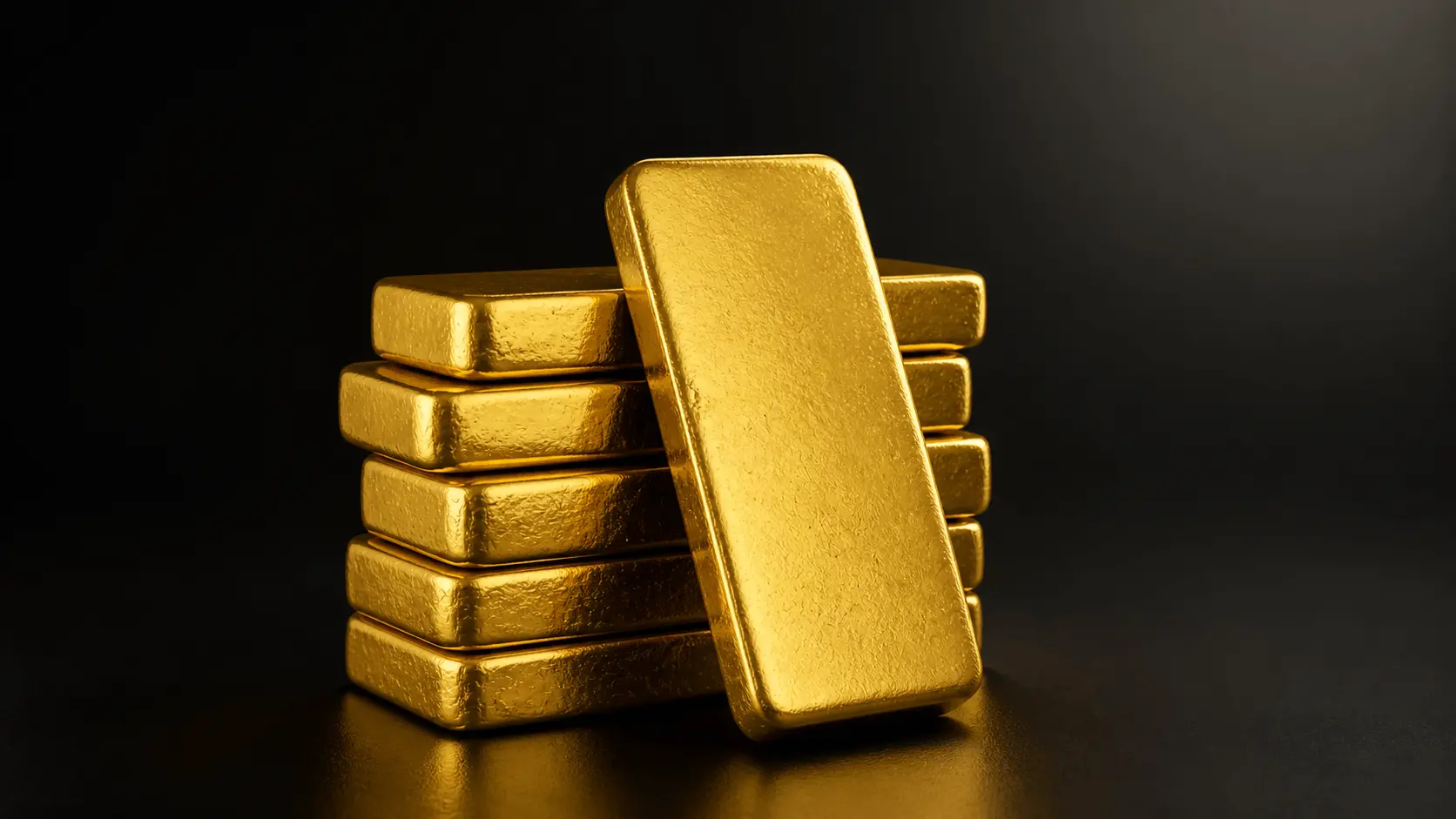
Bushiangala Gold Extractives is among the licensed producers operating out of Kenya. The company mines and refines its own gold using advanced refining technology, with purity levels guaranteed between 96% and 99.99% depending on the buyer’s specification. Every bar is accompanied by an official certification and assay report, both of which are standard requirements for international buyers. If you are looking to buy gold bars in Kenya directly from a producer rather than a reseller, that distinction matters more than almost anything else in the negotiation.
The documentation behind a purchase from a licensed mining company includes three government-issued credentials: a Mineral Trading Licence from Kenya’s State Department of Mining, a Mineral Export Permit from the Kenyan Ministry of Mining, and a NEMA Environmental Certificate from the National Environment Management Authority. Those licences are verifiable through Kenyan government channels. If the seller you are speaking to cannot produce all three, you are dealing with someone further down the chain.
There is nothing wrong with working through a broker if the underlying seller is fully licensed and the documentation passes scrutiny. The risk is when you cannot trace the gold back to its origin, or when the paperwork stops short of the government level.
What Makes a Gold Seller in Kenya Legitimate
Most buyers searching for where to buy gold in Kenya have already found several options. The real question is how to verify that the company they are dealing with is who they say they are. The answer is documentation rather than reassurance.
A legitimate Kenyan gold seller holds, and will readily provide, a set of verifiable credentials. First, they are officially registered in Kenya as a legal entity, with registration details that can be confirmed through the Business Registration Service. Second, they hold a Mineral Trading Licence issued by Kenya’s State Department of Mining, which permits the legal buying, selling, and trading of gold within the country.
Third, they have a Mineral Export Permit issued by the Kenyan Ministry of Mining. Without this permit, exporting gold from Kenya is illegal, which means international delivery is not possible regardless of what a seller may promise. Fourth, they hold a NEMA Certificate from the National Environment Management Authority, confirming that their mining operations comply with environmental regulations. This is both a legal requirement and a signal of a professionally run operation.
For each shipment, they also provide independent assay reports confirming the gold’s purity. These are issued by accredited laboratories, not by the mining company itself. A reputable producer provides them as standard. An intermediary often cannot, because they do not control the refining process. The presence of all these credentials does not guarantee a perfect transaction, but the absence of any one of them should end the conversation before it goes further.
The credentials that matter: Mineral Trading Licence (State Department of Mining) · Mineral Export Permit (Ministry of Mining) · NEMA Environmental Certificate · Independent assay report per shipment. All four are verifiable through Kenyan government channels.
Bushiangala Gold Extractives holds all four credentials and provides the full documentation set as standard with every purchase — verified by Kenyan government authorities and independently assayed. We ship to buyers in Europe, the UAE, the USA, and over 70 other countries.
Request a quoteGold Buying Tips for International Investors
Whether you are buying 100 grams or 5 kilograms, the fundamentals do not change. These gold buying tips are consistently overlooked by buyers who move too quickly through the process.
Verify the licences independently, not just by accepting scanned copies. Kenyan government licences are issued with verifiable reference numbers. Ask for those numbers and check them through the relevant ministry directly. It takes an afternoon. It is worth doing.
Understand what gold purity means for your purpose before you negotiate. Bars at 96% purity are suitable for most investment applications. At 99.99% purity — four nines — you are at the standard for London Good Delivery bars and institutional-grade investment. Know which you need, and confirm the seller can produce an independent assay certificate to prove it.
Request the assay report before payment, not after. It is issued by an accredited laboratory and independently confirms the gold’s composition. A seller who does not include this as standard is asking you to take their word for what you are buying.
Confirm the delivery process in writing before committing. Legitimate mining companies with export licences can ship internationally. Get the shipping method, timeline, insurance arrangements, and customs documentation confirmed before any funds move. Bushiangala Gold Extractives has delivered our gold to buyers in 75 countries over 25 years of operation. That kind of track record is worth asking about directly, and a company that has delivered at volume internationally will have the processes to handle your enquiry without delays.
One final point: price should be the last thing you evaluate, not the first. Buyers who open with pricing questions tend to attract the wrong kind of seller. Open with documentation. The price conversation follows naturally from there.
How Much Does Gold Cost in Kenya?
Gold pricing in Kenya is tied to the international spot price, which moves daily and is publicly available in real time. Understanding the variables that sit on top of that baseline is what separates an informed buyer from one who is comparing figures without context.
The first variable is purity. Gold at 96% purity is priced differently from gold at 99.99% purity, and the difference is not trivial. Before comparing any two quotes, confirm which purity tier each one is based on. A lower headline price that reflects lower purity is not the same as a competitive price on the same product.
The second variable is quantity. Buying in volume — at 5 kilograms or more — typically attracts a lower per-kilogram rate than a smaller purchase. This is standard practice across commodity markets and is worth factoring into your planning before you open a negotiation.
The third variable is who you are buying from. Purchasing directly from a licensed mining company that extracts and refines its own gold removes the intermediary layer entirely. There is no broker margin, no dealer markup, no resale cost built into the price. That structural difference is why buying direct from a miner can be meaningfully more cost-effective than buying through a Western dealer or commodity platform, without any compromise on quality or documentation.
What you should always ask for, regardless of the price quoted, is a clear breakdown of what is included: the assay certification, export documentation, shipping, and insurance. A seller who cannot provide that breakdown is not someone you should be doing business with.
For current pricing on specific quantities and purity grades, the most reliable approach is a direct enquiry. Gold prices move with the market, and any figure published in an article will be out of date by the time you read it. A direct conversation gives you a live, accurate quote along with confirmation of every document that comes with the purchase.
Frequently Asked Questions About Buying Gold in Kenya
Is Gold Cheap in Kenya to Buy?
Relative to buying through a Western dealer or commodity broker, purchasing directly from a licensed Kenyan mining company can be meaningfully more cost-effective. The reason is structural: when you buy from the miner rather than a reseller, you are not paying for the intermediary layer. There is no broker fee, no dealer markup, no additional margin built into the price. That said, cost should not be the primary frame for physical gold investment. The variables that matter most are purity, documentation, and reliable delivery. Get those right first, and the pricing conversation will follow naturally.
How Much is 1 Gram of Pure Gold in Kenya?
The price of 1 gram of gold in Kenya is determined by the international spot price, which changes every trading day and is publicly available in real time. What varies between sellers is the premium charged above that spot price, which depends on purity grade, quantity, and whether you are buying from a licensed miner or through a broker. For an accurate per-gram price on your specific requirements, the right move is to submit a direct enquiry. A licensed mining company will provide a current, documented quote rather than a figure that may have shifted since it was published.
Where Can I Buy Gold in Kenya?
The most reliable option is a licensed mining company that both produces and exports its own gold. These companies hold a Mineral Trading Licence, a Mineral Export Permit, and a NEMA Environmental Certificate, all issued by the Kenyan government. Bushiangala Gold Extractives is a licensed producer that mines, refines, and ships gold internationally, and has done so for 25 years. Purchasing through a licensed producer gives you a documented chain of custody, certified purity through independent assay reports, and a legal export path to your country. You can buy gold from Africa directly through our website and speak with the team about your specific requirements.
How Much for 1 kg of Gold?
The price of 1 kilogram of gold is determined by the current spot price at the time of your enquiry, adjusted for purity grade and quantity. Buying directly from a licensed Kenyan mining company removes the intermediary markup, which means the price reflects the actual cost of production and refinement rather than a reseller margin. For bulk quantities of 5 kilograms or more, the per-kilogram rate typically decreases further. The most accurate approach is to submit a direct enquiry with your quantity and purity requirements, and receive a live quote with full documentation confirmed upfront.
Ready to discuss a purchase? Our team can provide a live quote with full documentation confirmed upfront — including the assay certificate, export permit, and delivery timeline to your country. Minimum order from 100 grams, bulk pricing available from 5KG.
WhatsApp our teamThe Bottom Line
Knowing where to buy gold in Kenya from a licensed, government-registered mining company makes the entire process straightforward. The risk is not in the country, it is in the seller. A licensed mining company with verifiable government credentials, independent assay certification, and a documented export process is a fundamentally different proposition from an agent or intermediary who cannot show you the paperwork.
The investors who get this right are the ones who ask for documentation before they ask about price, and who choose a seller with a track record rather than a promise. Kenya has those sellers. The credentials to ask for are specific, verifiable, and non-negotiable.
Bushiangala Gold Extractives is a licensed Kenyan mining company that has delivered gold to buyers in 75 countries. If you are at the stage where you are ready to discuss a purchase — including bulk investment options starting at 5 kilograms — visit the site to buy gold from Africa directly from the producer. You can also reach the team via WhatsApp for a straightforward conversation about pricing, purity, and delivery timelines.